The Report That Holds Up the Claim
In a bodily injury claim, everything waits on one document: the medical report. Here is how AI turns a clinician's notes into a claim-ready TPBI or WICA report, so injured people, doctors, employers, and insurers all move faster.
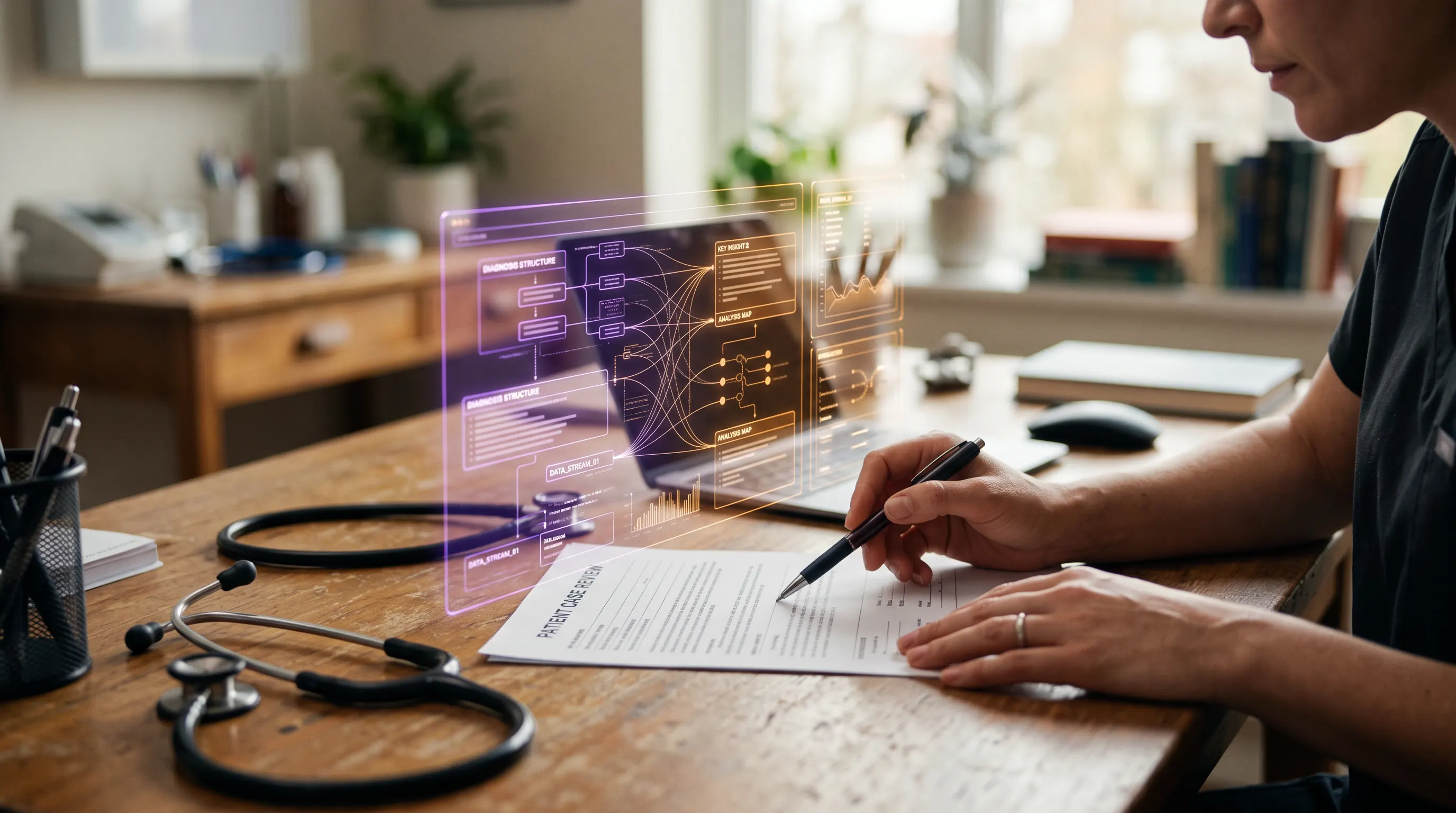
In a bodily injury claim, everything waits on one document: the medical report. For third party bodily injury (TPBI) and work injury compensation (WICA) claims, a treating doctor or specialist must turn clinical notes into a structured account of diagnosis, treatment, prognosis, and incapacity. That report is often the slowest step in the whole process. Clinics are busy, formats vary, and a single missing detail sends the file back for revision.
AI now sits between the clinical record and the claim form. It reads consultation notes, imaging results, and treatment history, then drafts a claim-ready report in the format the scheme requires. The clinician reviews and signs rather than writes from scratch.
Practical applications:
- Structured drafting: converts free-text notes into the fields TPBI and WICA assessors expect.
- Completeness checks: flags a missing prognosis, incapacity period, or investigation before submission.
- Consistent language: maps findings to the same impairment and incapacity terms across every file.
- Translation: renders a report written in one language into the assessor's, without losing clinical meaning.

Who benefits:
- Injured people: the claim starts sooner and stalls less, so treatment funding and payments arrive faster.
- Doctors and clinics: less time on administrative forms, more on patient care.
- Employers: work injury claims resolve without months of back and forth.
- Insurers: fewer requests for information, cleaner files, lower handling cost.

The report still belongs to the clinician. AI does not diagnose or decide incapacity. It assembles, checks, and formats what the medical evidence already contains. The judgment stays human; the paperwork does not.
A faster, more complete first report shortens the entire claim. When the document at the center of the process is right the first time, everyone downstream moves sooner.