It's Not the Algorithm, It's the Data
Everyone debates the AI model. The real asset in claims is the proprietary and alternative data behind it. Here is how the data points that power claims AI make outcomes faster and fairer for claimants, repair shops, injured workers, and insurers alike, not just the carrier.
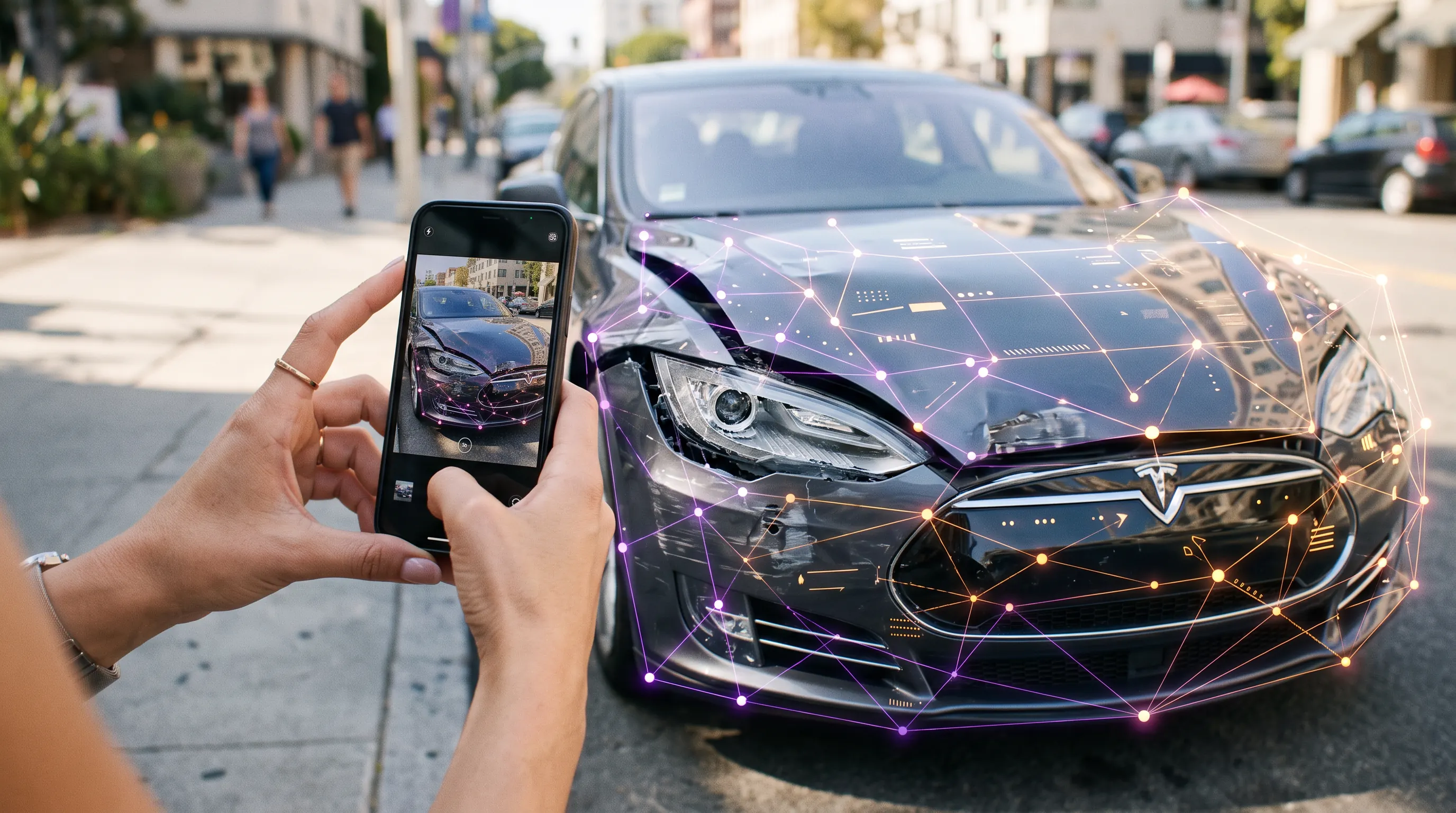
Most conversations about AI in claims focus on the model. The more valuable asset is quieter: the proprietary and alternative data points the model learns from. An algorithm is only as fair as the evidence it can reference, and the richest evidence rarely sits in the claim form itself.
Modern claims AI draws on data most people never see:
- Telematics and crash-sensor readings that confirm how an accident actually happened
- Repair-network parts and labour pricing that test an estimate against the real market
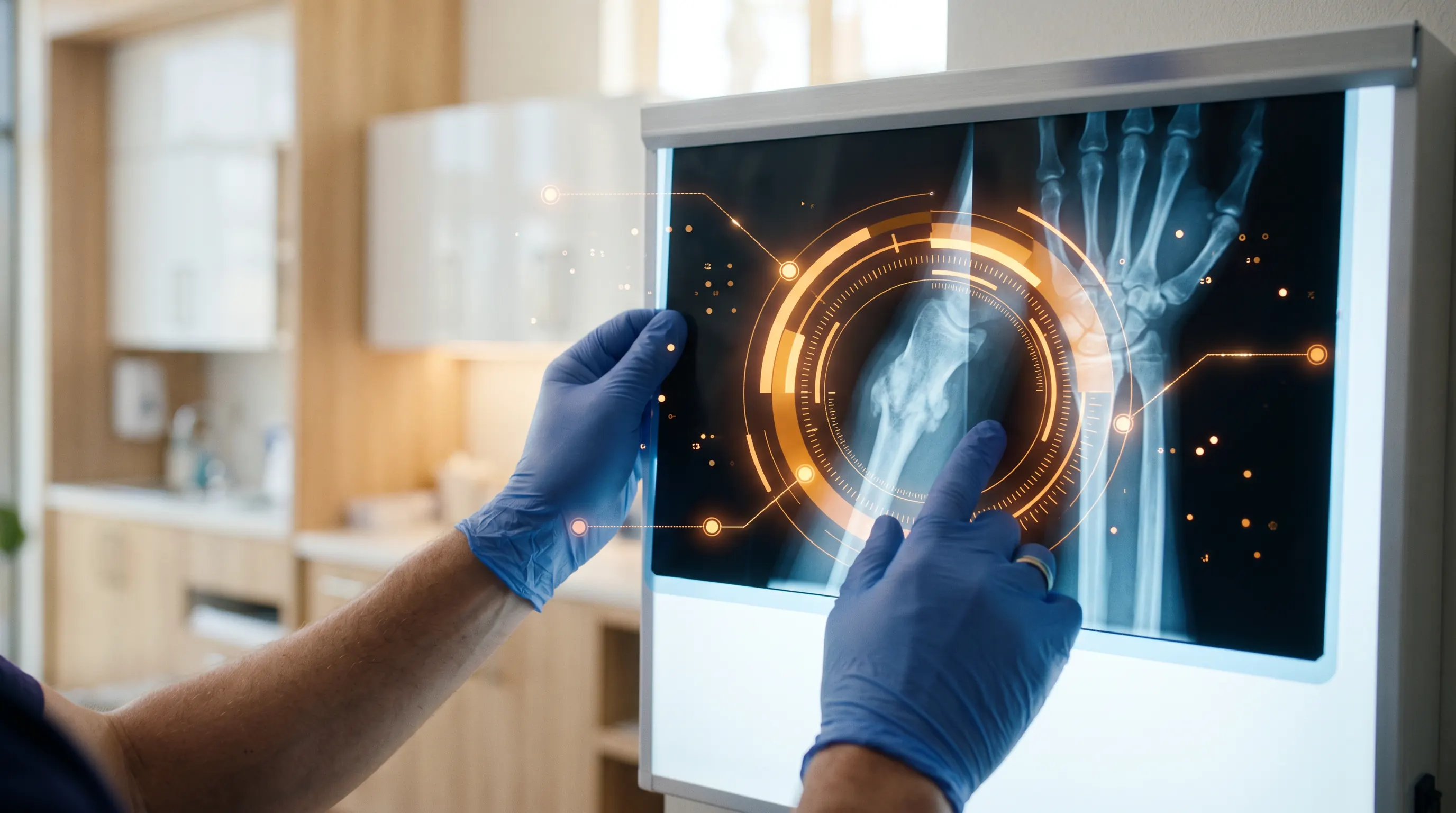
- Medical cost and treatment-outcome databases that anchor an injury's value
- Wage, geospatial, and weather records that verify lost income and context
- Millions of prior claims that set a defensible benchmark for any new file
Each data point narrows the gap between a guess and a grounded decision.

The usual story is that this data protects insurers. It does more than that. The same evidence that stops a carrier overpaying also stops a claimant being underpaid. Fairness and accuracy turn out to be the same problem.
Who benefits, and how:
- Claimants are valued against real benchmarks, not a single examiner's estimate, so honest claims settle faster and are less likely to be undervalued.
- Repair shops and clinics get estimates validated against market data, cutting back-and-forth and approval delays.
- Injured workers see entitlements calculated from actual wage and treatment records, not rounded assumptions.
- Regulators and courts can trace every figure back to a documented source.

Proprietary data is also an advantage competitors cannot copy overnight. A carrier that captures clean, structured data from every claim compounds its accuracy with each file it closes, while the person on the other side of that claim gets a faster, better-evidenced outcome. The data moat and the customer benefit grow together.
The lesson for anyone touching a claim is simple. The future of claims will not be won by whoever has the cleverest model. It will be won by whoever has the best data, and structures it so every party to a claim can see the benefit.