How AI-Powered FNOL Is Cutting Motor Claims Cycle Time in Half
The first notice of loss is where motor claims cycle time is made or lost. AI-powered FNOL — from telematics auto-detection to predictive routing — is compressing intake from days to minutes and cutting handling costs by up to 30%.
How AI-Powered FNOL Is Cutting Motor Claims Cycle Time in Half
The first notice of loss is where claims are won or lost. How fast and accurately a carrier captures incident data at the moment of loss determines reserve accuracy, fraud exposure, and settlement speed for everything that follows.
AI is now reshaping this entry point — and the operational difference is measurable.
What Changes at FNOL
Traditional FNOL depends on a policyholder calling a contact center hours or days after an accident. By that point, scene data is degraded, recall is imperfect, and the carrier has already lost its best window for fraud triage and accurate reserving.
Modern AI-enabled FNOL works differently:
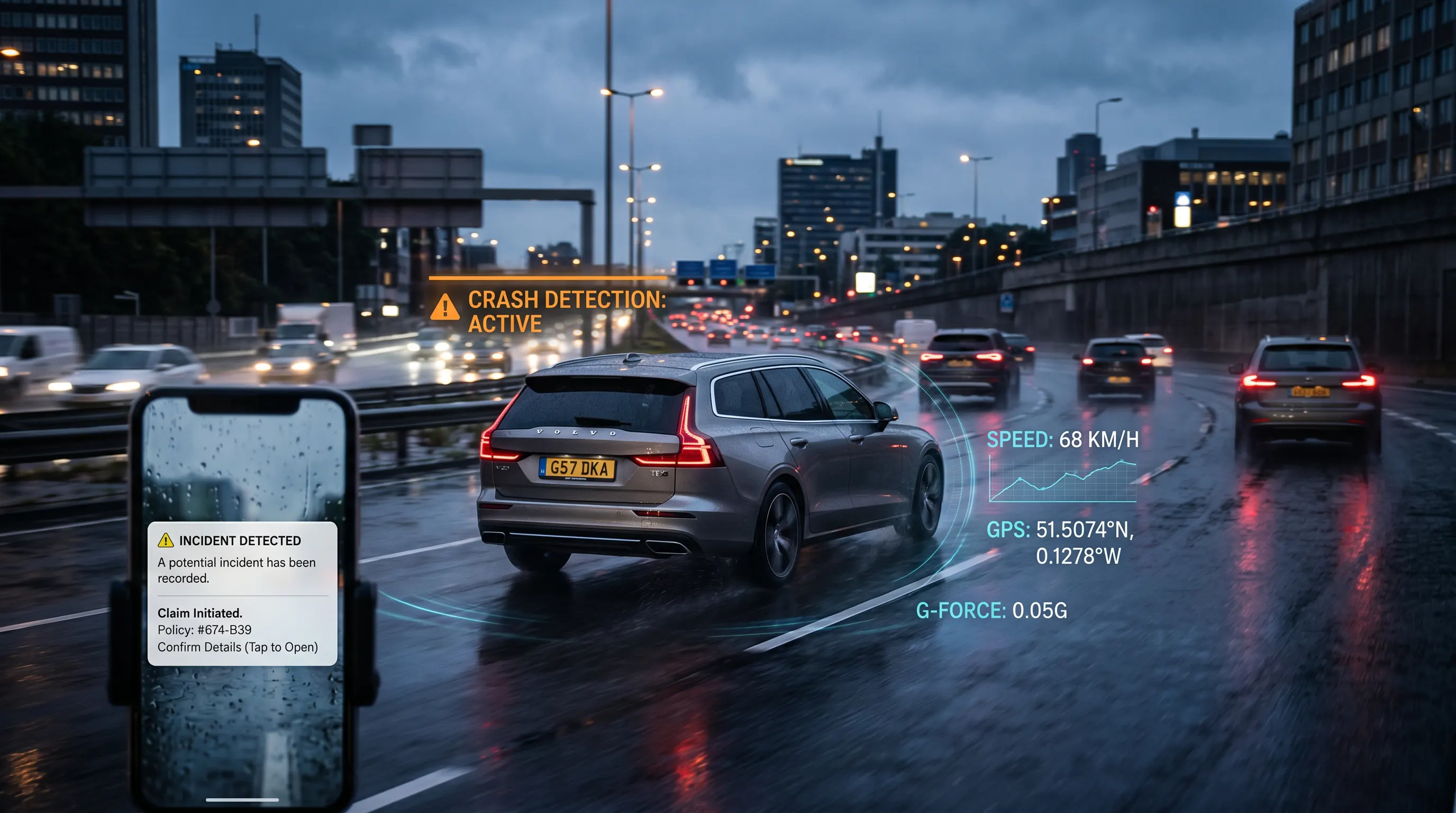
- Telematics-triggered reporting: Connected car platforms — eCall, OBD-II devices, and smartphone apps — detect impact severity in milliseconds and auto-notify the carrier before the policyholder acts. The carrier receives GPS coordinates, speed at impact, airbag deployment status, and collision vector in the first seconds after an accident.
- AI-guided self-service intake: Conversational AI collects structured data — plate numbers, damage photos, third-party details, witness information — in under five minutes, with no agent required. Photo capture feeds directly into computer vision pipelines for immediate damage triage.
- Instant coverage verification: Policy status, deductibles, endorsements, and applicable exclusions are validated in real time, eliminating back-and-forth that delays first payment.
- Predictive routing at first contact: Machine learning scores each inbound claim for complexity, fraud risk, and litigation propensity within seconds. Straightforward own-damage claims route to straight-through processing; high-risk or injury files go immediately to specialist handlers.

Why This Matters for Combined Ratio
McKinsey estimates that automating FNOL and initial triage can reduce claims handling costs by 25–30%. The larger gain is data quality: accurate intake at the moment of loss reduces reserve volatility, cuts supplemental payments, and closes 30–40% of uncomplicated claims without human involvement.

Carriers achieving the sharpest cycle-time reductions aren't simply applying AI to damage assessment or fraud investigation. They're starting earlier — at the moment of loss — capturing cleaner data, triaging faster, and letting AI set the trajectory of every claim before a human examiner opens the file.
The quality of a settlement begins with the quality of intake.