The part of claims inflation you control
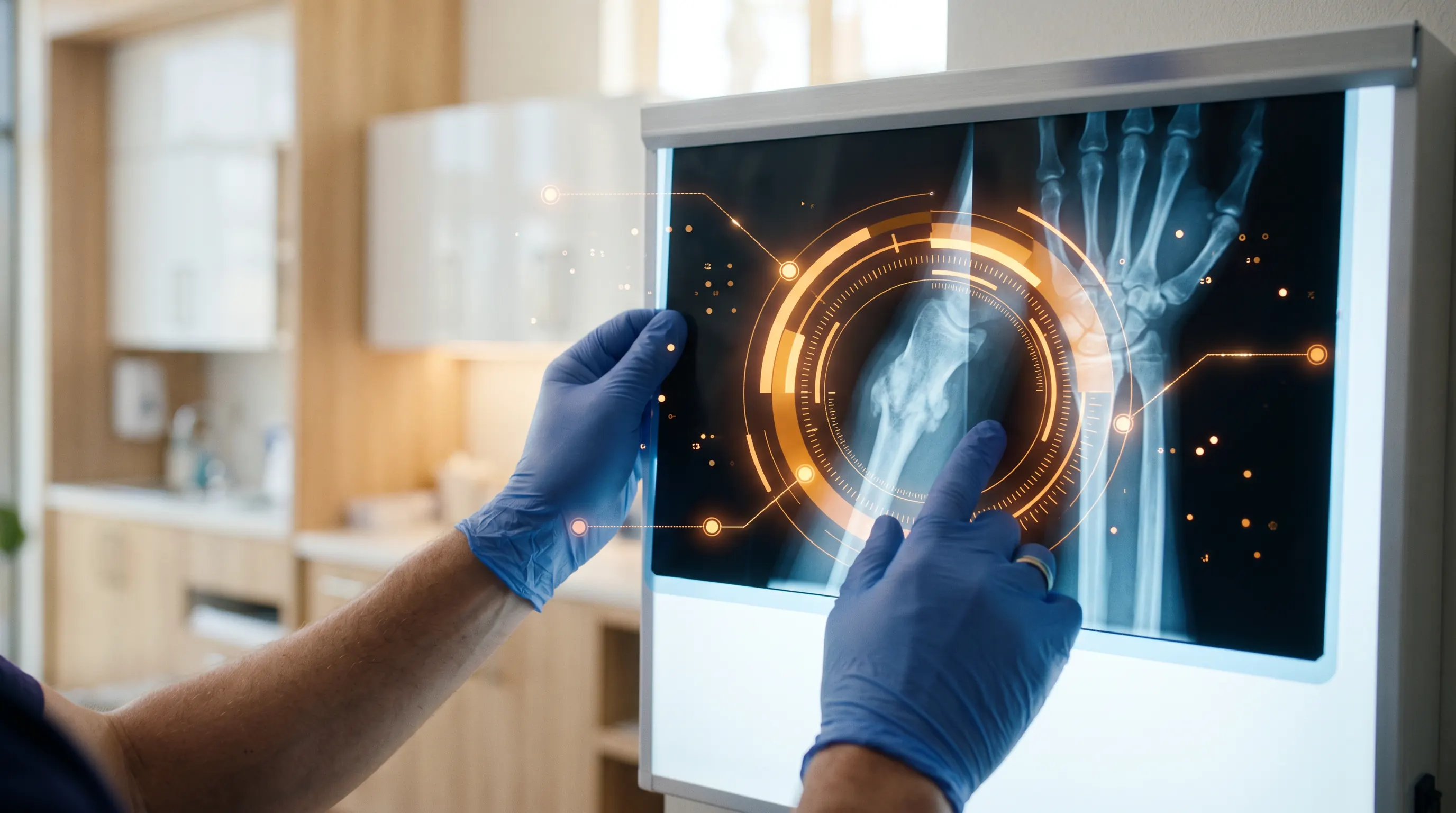
Parts inflation is a supply-chain problem claims teams can't fix. Third party bodily injury (TPBI) claims are different: here is where you still have control.
One theme keeps coming up in analyst notes on Malaysian insurers: the cost of claims.
The pressure you can’t negotiate with
MBSB Research’s latest sector outlook names claims inflation, particularly in motor and medical lines, as the biggest near-term challenge for the second half of 2026. MBSB expects the outlook to improve in 2027. On the motor side, insurers are exposed to higher prices for overseas-made replacement parts, made worse by logistical disruption. businesstoday
Our take: Parts inflation is a supply-chain problem, so claims teams can’t fix it. That makes the costs you can influence more important. Our hypothesis: on TPBI, even a small variance in value per file adds up quickly across a motor book of this size, and it is a part of the cost curve you can influence.
The impact is not even across the market. Analysts attribute part of the difference between insurers to underwriting standards, with more selective underwriting helping to contain motor claims inflation. The weight of motor makes this hard to ignore: it remains the largest portfolio at 45.2% of premiums (Full-year 2025 by PIAM), and it continues to weaken overall underwriting performance. businesstoday malaymail
This is not only a Malaysian story. In the UK, one consultancy forecasts motor claims inflation of around 7% this year, linking it to constrained flows of fuel and imported parts. insurancebusinessmag
Why it is harder to absorb now
Higher costs are arriving at the same time as higher expectations on speed and quality. BNM’s Policy Document on Claims Settlement Practices requires insurers to publish a Motor Consumer Service Charter with expected turnaround times, shorten claims settlement times, and ensure in-house assessors are qualified and competent. It also applies to registered adjusters, so the whole claims chain is affected. bnm
Our take: Faster settlement and qualified assessors usually mean more headcount, which means more cost. The alternative is to make each examiner’s review faster and more consistent. Technology can do that without adding people.
Where you still have control: injury claims
Parts prices are set far outside your claims department. Third party bodily injury (TPBI) claims are different. Each file comes down to judgment calls made inside your own process: how a medical report is read, how injuries and future losses are valued, and whether to settle or contest. When those calls are slow or inconsistent, cost builds quietly. That is our view, and it is where we spend our time.
Across TPBI files, three patterns tend to drive avoidable cost:
- Assessment variance. Similar injuries settle at different values depending on the examiner, the file, and the day.
- Review delay. Medical reports sit in queues, time passes, and both cost and claimant frustration grow.
- Thin audit trails. When the reasoning behind a settlement is not recorded, it is hard to defend internally, to a regulator, or in litigation.
None of these needs a bigger team. They need consistency, speed, and a clear record.
A five-minute TPBI health check
Forward this to your team lead and see whether you get the same answers:
- How much do settlement values vary between examiners on comparable injuries?
- Can you show, file by file, why a figure was recommended?
- How long does a medical report wait before an examiner first reviews it?
Lawdify was founded by a former litigator and builds AI claims examination for motor TPBI, so each examiner decision is faster, more consistent and easier to defend.
Sources
- Business Today, “How The Insurance Sector Is Gearing Up For Second Half And 2027” (3 Sep 2026, citing MBSB Research): https://www.businesstoday.com.my/2026/09/03/how-the-insurance-sector-is-gearing-up-for-second-half-and-2027/
- Malay Mail, “Premiums up, profits steady, yet motor losses drag Malaysia’s insurance sector in 2025” (8 Dec 2025, citing PIAM data): https://malaymail.com/news/money/2025/12/08/premiums-up-profits-steady-yet-motor-losses-drag-malaysias-insurance-sector-in-2025/201123
- Bank Negara Malaysia, Policy Document on Claims Settlement Practices: https://www.bnm.gov.my/-/pd-csp24
- RinggitPlus, “BNM Introduces Interim Measures to Ease Impact of Rising Medical Insurance Costs”: https://ringgitplus.com/en/blog/insurance/bnm-introduces-interim-measures-to-ease-impact-of-rising-medical-insurance-costs.html
- Insurance Business UK, “UK inflation climbs to 3.1%” (UK comparison): https://www.insurancebusinessmag.com/uk/news/auto-motor/uk-inflation-climbs-to-3-1--insurers-can-feel-the-pressure-589978.aspx