Malaysia’s courts are about to set rules for AI in legal submissions
What the coming practice direction means for insurers and the lawyers on their panels.
What the coming practice direction means for insurers and the lawyers on their panels.
What was announced
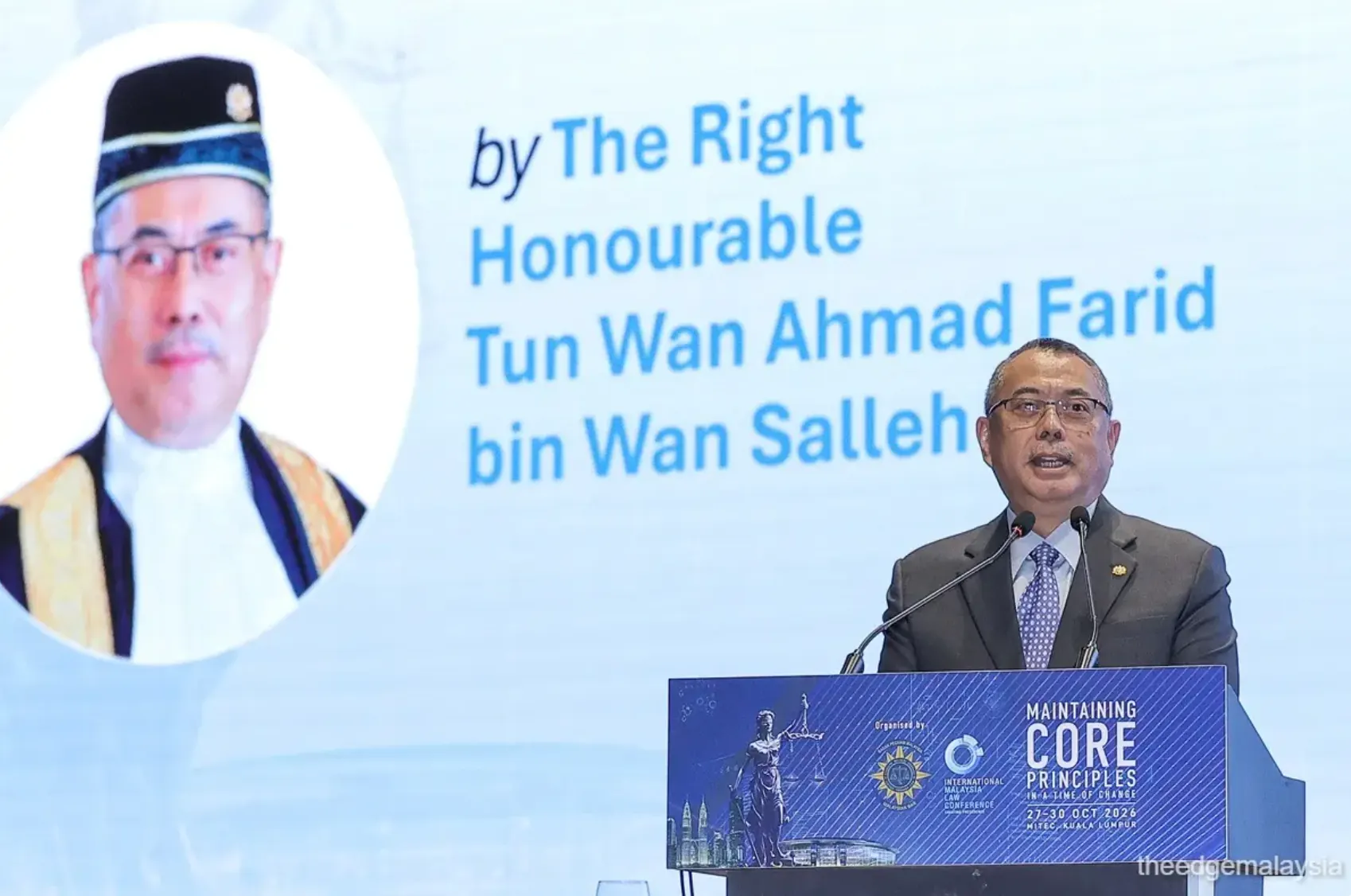
According to Bernama, Chief Justice Tun Wan Ahmad Farid Wan Salleh said on 28 October, in his keynote at the International Malaysia Law Conference 2026, that the judiciary will issue a practice direction on AI use in legal proceedings in a few weeks. Bernama reports he said the concern is reliability: AI can produce submissions that look “polished and persuasive, but entirely wrong.” Judiciary to issue guidelines on AI use for lawyers soon
Speaking to reporters, he said the direction will apply to legal practitioners and court officers, and that judges already have their own AI guidelines (Bernama, via Malay Mail and Media Selangor). He said the judiciary is encouraging responsible use rather than discouraging it, and that a guideline could save time for judges and lawyers. He also cautioned against over-reliance that could weaken human reasoning. On lawyers’ duties, he said authorities must be cited accurately and clients given honest advice, especially where the law is uncertain. The Edge reported on 28 Oct that he also warned against unchecked AI output in court pleadings and advisory opinions. theedgemalaysia.com/node/823606
What the Malaysian Bar has already said
The Malaysian Bar Council’s first formal advisory on generative AI was Circular No. 342/2023, issued in November 2023. Malay Mail columnist Kuek Chee Ying, a Universiti Malaya law lecturer, notes that it stresses checking AI output against traditional legal databases. According to former Bar Council committee chair Sathish Mavath Ramachandran, writing in The Edge Will artificial intelligence replace lawyers?, the July 2025 update (Circular No. 242/2025) separates uses it recommends from uses to avoid:
- Recommended: early drafts, brainstorming, checklists, formatting and client-facing educational content.
- To avoid: generating legal advice, verifying case law, drafting pleadings or submissions without full independent review, and handling client information and personal data.
What has happened elsewhere
Kuek Chee Ying reports in Malay Mail Legal hallucination in AI may undermine justice that in September 2025 the Singapore High Court ordered counsel who cited a fictitious GenAI-generated case in written submissions to pay S$800 in costs personally (Tajudin bin Gulam Rasul and Another v Suriaya bte Haja Mohideen), and directed counsel on both sides to give their clients a copy of the judge’s direction. The same column notes that two US attorneys in Mata v Avianca were sanctioned US$5,000 for citing non-existent decisions generated by ChatGPT. Malaysia to introduce new rules on AI use in court within next few weeks
Why it matters: insurers rely on panel lawyers’ opinions. The questions worth asking are where each draft came from and where the claim data went.
Sources
- Bernama via Media Selangor: Judiciary to issue guidelines on AI use for lawyers soon (28 Oct 2026)
- Bernama via Malay Mail: Malaysia to introduce new rules on AI use in court within next few weeks (28 Oct 2026)
- The Edge, opinion by Sathish Mavath Ramachandran: Will artificial intelligence replace lawyers? (7 Jul 2026)
- Malay Mail, opinion by Kuek Chee Ying: Legal hallucination in AI may undermine justice (19 Dec 2025)
- The Edge report on the keynote: theedgemalaysia.com/node/823606 (28 Oct 2026)