New Injury or Old? How AI Settles the Causation Question in Bodily Injury Claims
The hardest bodily injury disputes turn on what the accident actually caused versus a pre-existing condition. Here is how AI-assisted examining reads the full medical history, apportions injury on documented evidence, and why claimants, care providers, unrepresented claimants, and insurers all get a fairer outcome.
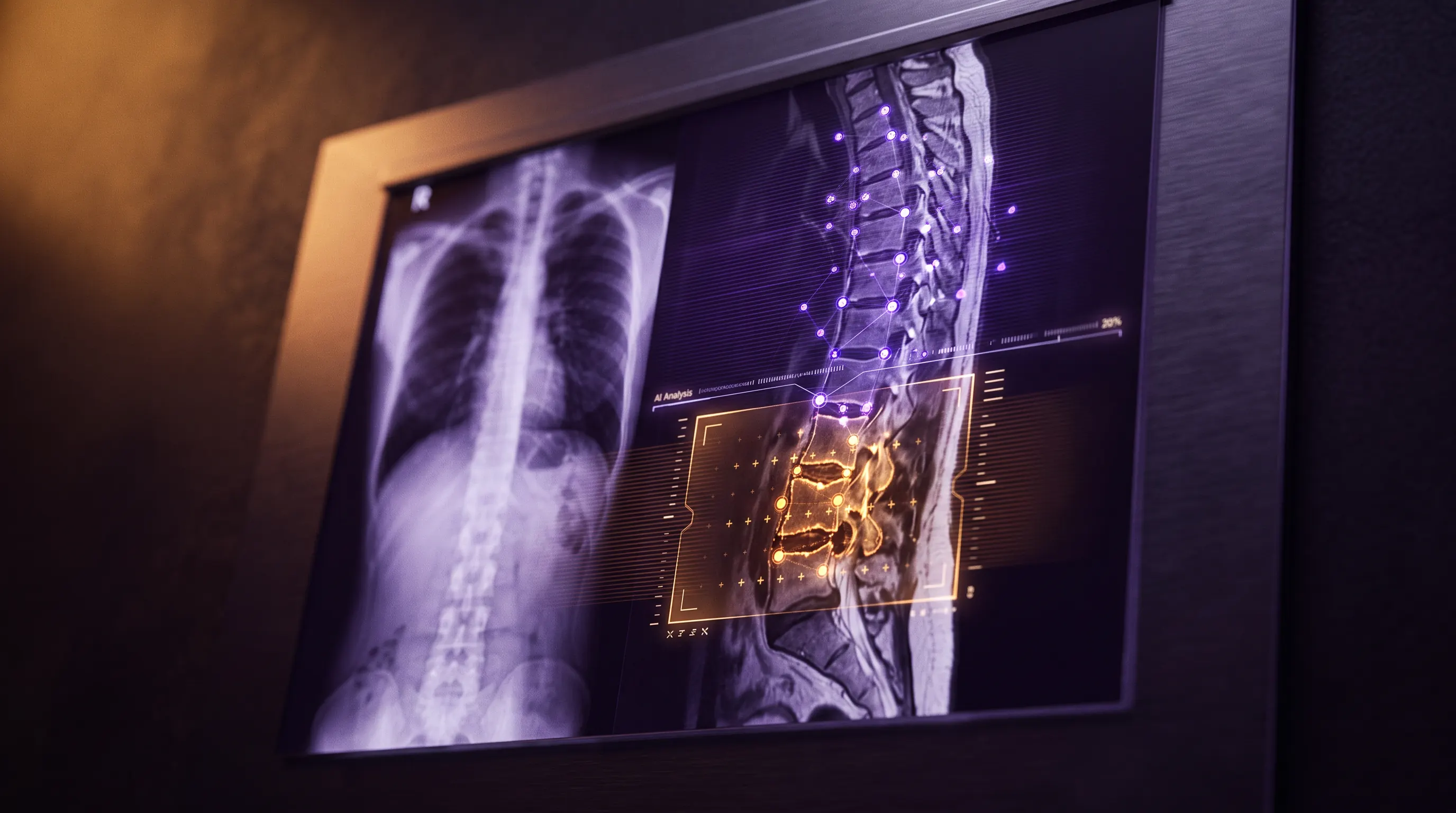
Most bodily injury disputes are not really about whether someone is hurt. They are about what the accident actually caused. A claimant with a prior back problem, a degenerative disc, or an old sports injury raises a hard question: how much of today's pain belongs to this event? The answer decides whether a settlement is fair, and it is where claims most often stall.
Causation and apportionment have always come down to whoever read the file most carefully. Prior records are long, spread across providers, and easy to overlook. AI-assisted examining reads the full medical history alongside the current claim and builds one timeline, marking when each condition first appeared, how it was treated, and whether today's injury is a new event or an aggravation of something older.

With that timeline in place, the benefits reach everyone connected to the claim:
- Claimants: genuine aggravation injuries are paid on documented evidence, not denied on a hunch about a pre-existing condition.
- Care providers: treatment clearly linked to the accident clears faster, with less back-and-forth over records.
- Unrepresented claimants: the same evidence-based apportionment applies to every file, narrowing the gap between those with a lawyer and those without.
- Insurers: fewer disputes, less leakage from over- or underpaying, and a defensible, auditable basis for every figure.

Causation will always need human judgment. What changes is that the judgment now rests on the complete record instead of the pages someone had time to read. That is a fairer place to start for everyone at the table.