Two Examiners, One Verdict: How AI Is Ending Decision Variance in Motor Claims
Two experienced examiners can reach different conclusions on the same motor claim. AI applies the same logic to every file — consistent computer vision damage reads, uniform fraud scoring, and standardized payout quantum — cutting leakage and disputes while keeping the examiner in control.
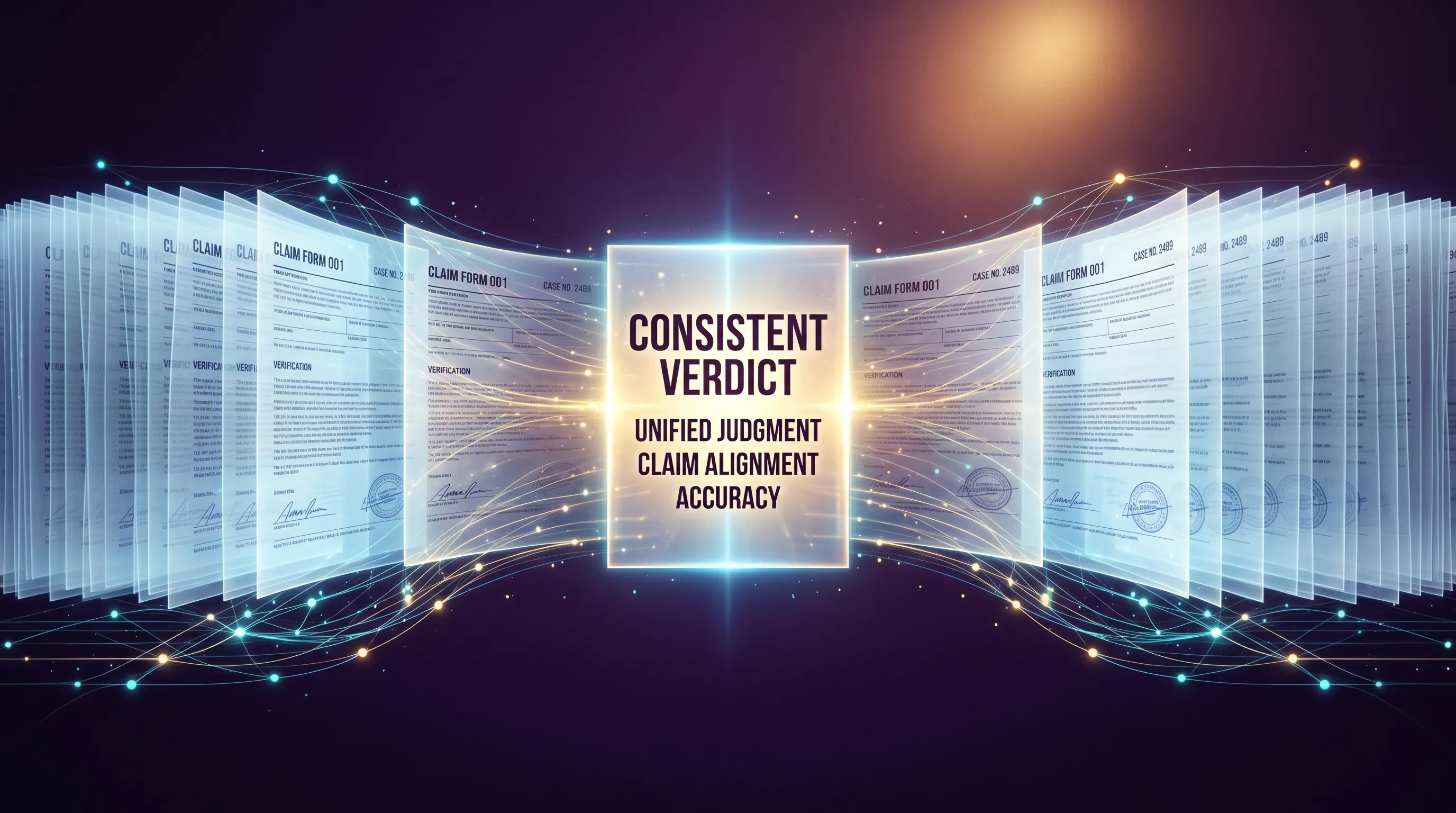
Two experienced examiners can look at the same motor claim and reach different conclusions — on repair scope, on fraud risk, on settlement value. That variance is normal, costly, and largely invisible until an audit or a dispute surfaces it. AI closes the gap by applying the same logic to every file.
Computer vision: a consistent damage read
A vision model assesses every photo against the same reference — panel by panel, part by part. Whether a claim lands at 9 a.m. Monday or during a Friday backlog, the assessment method is identical. No drift between a senior adjuster's trained eye and a new hire's.

Automated fraud detection: one risk model, every claim
Manual fraud screening depends on which examiner handles the file and how busy they are. AI scores every claim against the same signals — image manipulation, inconsistent damage geometry, links to prior claims — so nothing slips through on a high-volume day.

Faster payouts, held to the same standard
Quantum benchmarking applies consistent valuation logic to every settlement. Clean claims clear in minutes; complex ones route to a human with the analysis already done.
Key benefits:
- Lower leakage — consistent estimates remove the over- and under-payments that variance creates
- Audit-ready decisions — every output traces back to the same documented logic
- Fairer outcomes — two identical claims get the same answer, regardless of who handles them
- Faster onboarding — new examiners inherit the model's baseline instead of years of tacit calibration
The examiner still owns the decision. What changes is the starting point: instead of beginning from individual judgment and hoping it aligns with a colleague's, every file begins from the same evidence-based baseline. Consistency isn't the enemy of expert judgment — it's what frees experts to spend their judgment where it actually matters.